
a punked-up, anti-artificial approach to the craft of writing
Something happens when a writer is invited to speak freely about their work.
Let them talk uninterrupted for long enough, and they start to burn from within. Their eyes glitter; they lean forward in their chair; they lose track of time; they become engrossed in their ideas instead of whatever this call was supposed to be about.
I’ve seen this in academics trying to explain a decade of research to me and what they really believe is missing from their chosen field.
I’ve seen it in authors, spinning out on all the intricate plotlines they have planned for their characters, while I hold on for dear life.
And I’ve seen it with entrepreneurs—service providers, creatives, coaches, consultants, educators, thought leaders—when they finally get to riff on who they do this work for aand why, without the confines of marketing tactics or “being a good writer.”
This spell that comes over you when you're given a captive audience, an attentive listener, the space to ramble—
That’s what makes your writing worth reading.
It’s also why you’re so good at the work you’ve chosen to do. (This is not a coincidence.)
When I meet with a client for the first time, I’m watching for that moment when you lose yourself, when the words tumble out and your eyes start shining.
That’s how I know that:
you’re onto something, even if you’ve felt frustrated about your writing in the past; and
you’ll never run out of interesting things to say.
And when I tell you that it’s my honor to become a student of your work, to be entrusted with your writing, to lose myself in the dense tangles of a paragraph and transform them into an irresistible secret garden…
Nothing makes me happier in this world, and I really fucking mean that.

What (human) editing actually is—and isn’t
Most people think of editing as synonymous with cutting. Kill your darlings; cut away the fluff; trim the fat.
Or they confuse it with the grammar police—proper use of contractions; em dash or no em dash (YES EM DASH), Oxford commas, and other nitpicks.
And sure, there is some of that. But my approach to editing and writing coaching is grounded in what’s there; not what needs to go. How to draw out the version of you that lights shit on fire.
I’m throwing logs in, rearranging how they lie, coaxing air and heat into the biggest flame fucking possible.

I don’t approach your work with a rigid framework or a dripping red pen or a fired-up buzzsaw.
Instead—
I immerse myself in your writing, your voice, your body of work, your questions, your goals, and the ultimate purpose of the piece.
I draw on The Punkhouse Writing Philosophyto help improve the writing (editorial), AND the writer (writing coaching). The Punkhouse Writing Philosophy is a set of five house rules that apply a punk ethos (DIY, community-minded, human, weird) to the act of writing, wherever it lives, whoever it’s for. Learn more here.
I use out-there (but weirdly relevant) metaphors from film and TV, real-time examples, and recommended reading to help you see the craft elements in action.
One time I told a client to go watch Shrek—and it opened up a whole new idea for the story she was working on.
I show up with attention.
And I respond to whatever you (and the work) are asking for.
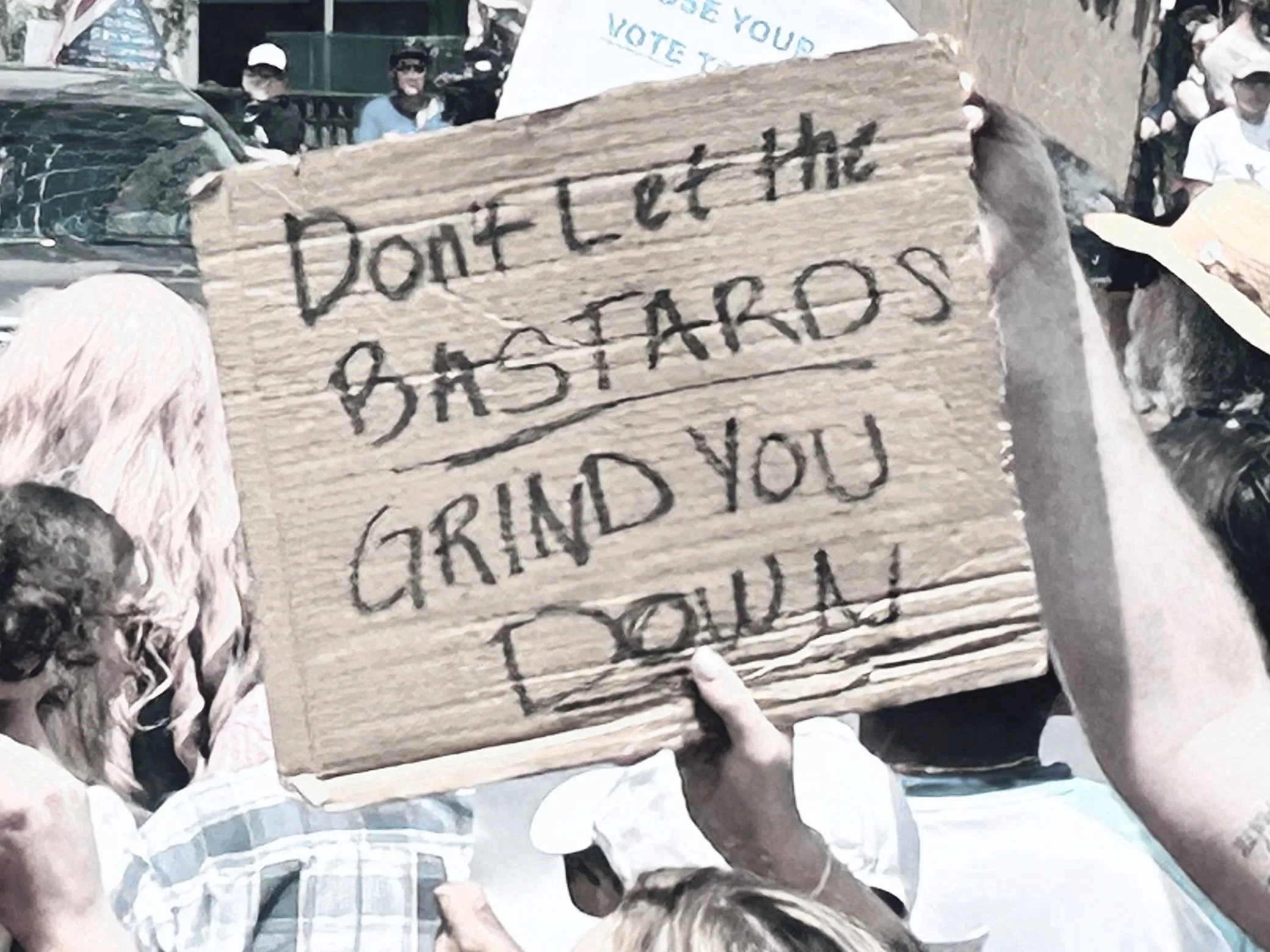
The Punkhouse Writing Philosophy
The Punkhouse Writing Philosophy is a set of five house rules I created to guide the writing process. It applies a punk ethos (DIY, community-minded, human, weird) to the act of writing, wherever it lives, whoever it’s for.
For business owners, authors, and academics with a healthy side-eye for anything artificial. You don’t need a beat-up leather jacket or a vintage record collection to take part; all you need is something to say and a sharp pen to say it with..

“I don’t use AI to write, I just use it as an editor and creative partner.”
So, we’re going to ignore (for now) the dagger that twists in my beating, human-editor heart whenever I see this sentiment on LinkedIn, and focus instead on what AI edits actually are and aren’t.
Large language models (LLMs) are NOT “reading” your work the way you and I understand the act of reading. This is what my AI just told me about how LLMs approach editing:
“An LLM converts text into vectors, runs matrix operations through billions of parameters, and produces a probability distribution over possible next tokens. Then it samples from that distribution.”
In other words, LLMs are numerical models. In the quote above, “tokens” = words (or… pieces of words?). That’s such a bananas way to think about writing that I’m almost sorry I brought it up.
In general, AI edits don’t make your writing stronger; they just make it different. And different isn’t the same thing as better.
AI doesn’t have discernment or taste, two crucial lenses that determine how a (human) reader engages with your work.
Taste is built layer by layer through a lifetime of content consumption—the cartoons you grew up watching, how old you were when MTV debuted, the shit your older brother was into, a show that broke your heart wide open, a painting you couldn’t stop staring at.
You can tell AI what you like, but it’s never going to be able to get it quite right. Taste is ineffable. Yours is, and so is your reader’s.
Discernment is the ability to take in a piece of writing, examine it with a critical eye, and then trust what your eye is telling you. Discernment is developed through learning and practicing your craft, reading a lot, observing other writers across multiple mediums and genres, and building up an internal understanding of what “good” writing is and isn’t.
If you haven’t devoted your life and/or career to staring at words all day (like I have), this might sound like a great argument for turning to AI. But you won’t be able to get the output you want from AI unless you build up your discernment first.
Because LLMs were trained on an incomprehensible volume of verbiage—some of it great, some of it tripe—and learned “quality” from millions of people’s assessments of what was “fine,” it’s always going to work to tug your messy, shaggy writing closer to the mean.
It’s going to sand down your edges and flatten your oomph. It will take everything that’s weird and interesting about your work, and make your writing sound neat and tidy and unremarkable.
We live in a time where sanding down your edges means becoming indistinguishable from the pack, and that means a whole lot of people who are not writers by trade are now facing a choice: devote time and attention to the craft of writing, or get swallowed by the sea of slop.
The good news is, if you have something to say, if you care about your reader, if you’re writing for a reason and not just cranking out content…
Then you already have everything you need to be a “good” writer.
All the rest of that shit can be taught.
The problem is not that AI is inherently incapable of “good” writing.
It’s that somewhere, somehow, you got it into your head that you were.
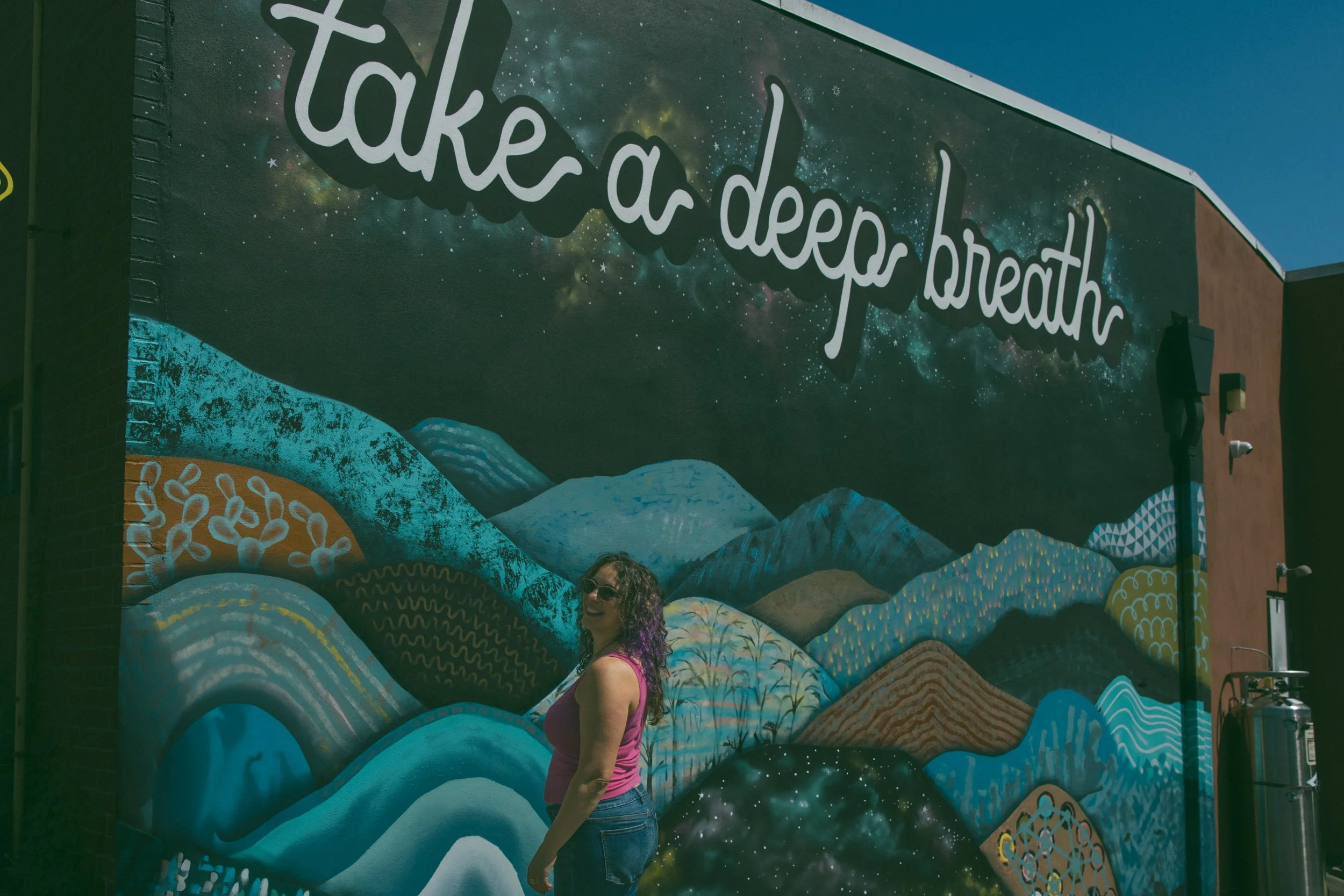
AI also doesn't have a body.
It can't get goosebumps when it reads an especially powerful sentence. Its eyes can't well up with tears because it finally feels seen; it will never know the whole-body exhale of relief when a writer is able to articulate something you’ve struggled with for years.
It can't drop into a memory, linger in the sensory details and emotions of that memory, and pour those feelings out onto a page, even if it means having to sit inside trauma, or gratitude, or grief, or joy, longer than most people would choose.
But I do.
And I show up to every single piece of writing with enthusiasm, openness, vulnerability, decades of experience, and a body that carries it all.
Ready to get to work?
Three ways to work with me…
-

Editing Services
Structural edits, proofreading, and developmental edits for academic papers, fiction manuscripts, emails, website copy, and more. I can also help with launch strategy!
I've had my hands on everything from a 500-page, Infinite-Jest-inspired manuscript to a doctoral dissertation on anger at God to a $54k Black Friday campaign for luxury candles that I conceived of, wrote, and built all by myself.
-

1-1 Writing Coaching
Writing can be hard, lonely, and stubbornly slow. And when you come up against a sticking point, there’s no feedback loop—no one to offer a gut-check, a word of encouragement, or a gentle nudge to close out that “research” tab and just get back to the page.
What’s missing is a human exchange of ideas. This has always been part the work I do as a copywriter, messaging strategist, academic editor, and developmental editor—now I’m offering it as a 1-1 service all its own.
-
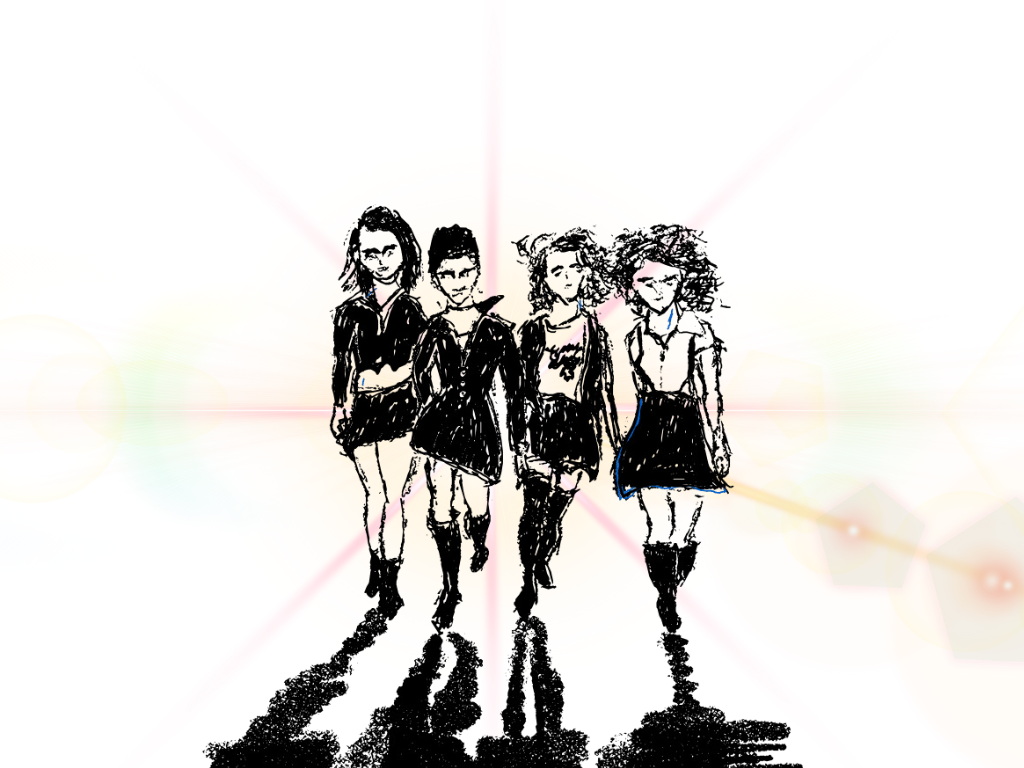
The Craft
A 10-week immersive writing workshop for authors, academics, and business owners who want to expand their professional writing skills and deepen their relationship with the creative process.
The Craft will help you master the timeless techniques behind writing that connects, inspires, makes the reader feel something, and keeps them wanting more.

Get The Mixtape
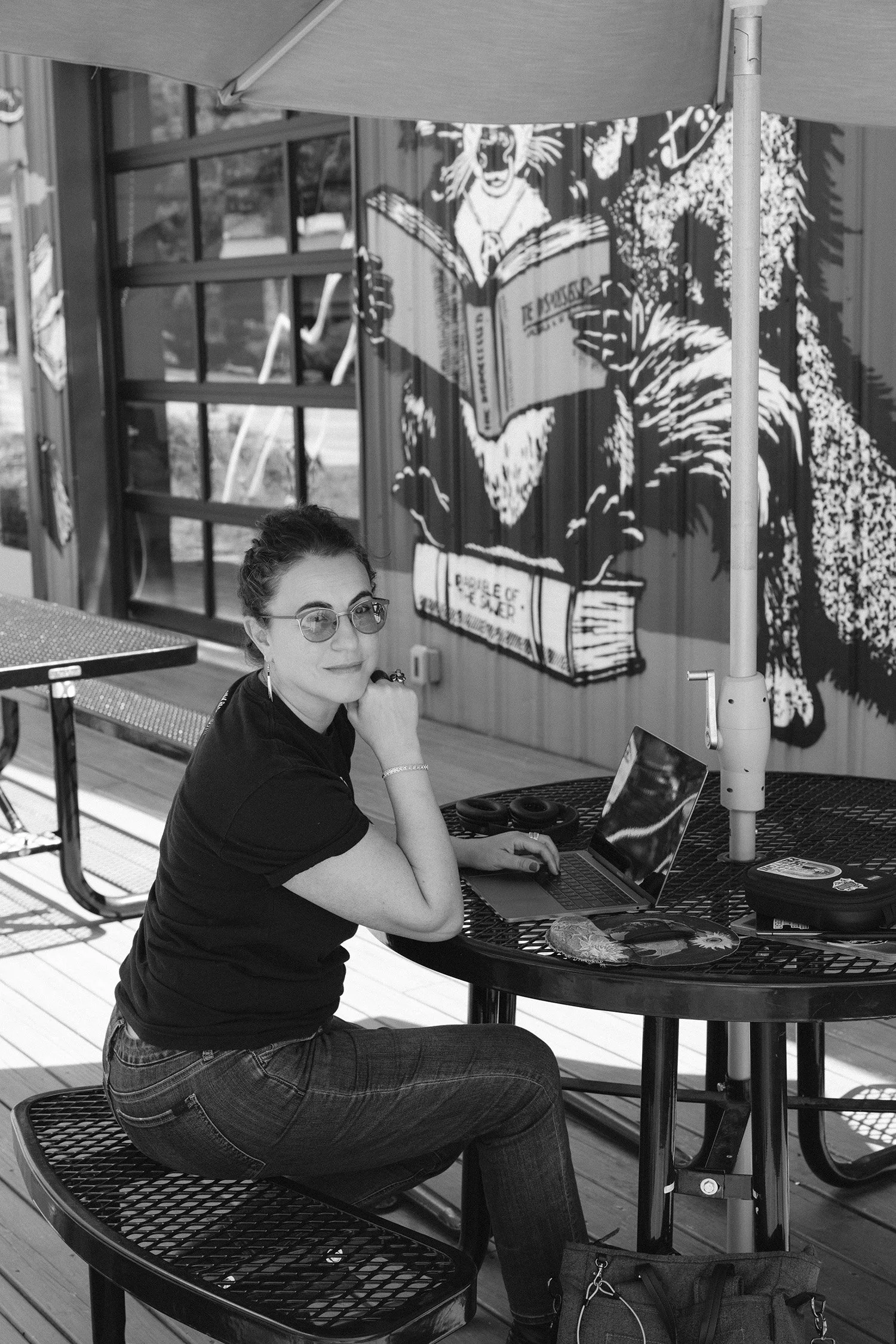
The Coffee Break
“Cassingle” sized pieces on writing craft and process, along with cultural observations from a wizened GenXer with over a decade of experience in the writing & marketing trenches.
The B-Sides
Recent blog posts, reading recommendations, and cool things worth paying attention to.
Demo Tracks
Special promotional periods that focus on a particular way to work with me. You’ll be able to opt out of these when the time comes.
Sign up below: