
The PunkHouse Writing Philosophy
Five “house rules” to help business owners, authors, and academics create writing that refuses to be ignored and voices that are instantly recognizable as theirs (not anyone else’s, not AI).
Created by Samantha Pollack, founder of Indie Copy Studio.
In the past decade, I’ve seen (and fixed) hundreds of thousands of words.
Meticulously strategic email sequences, traumatizing memoir manuscripts, heartfelt About pages, punchy landing pages, lengthy webinar scripts, heavily researched PhD dissertations, unhinged product descriptions, and even the odd press release or theater review.
And in all that time, across all those different genres and mediums, I’ve been doing the same thing:
Immersing myself in the writer’s inner world—their beliefs, their values, their voice, their unique point of view—until I understand what it is they need and want to say.
Studying the reader—their state of mind, their emotions, their preexisting knowledge and expectations—until I understand what it is they need and want to hear.
Making the first one match the second one.
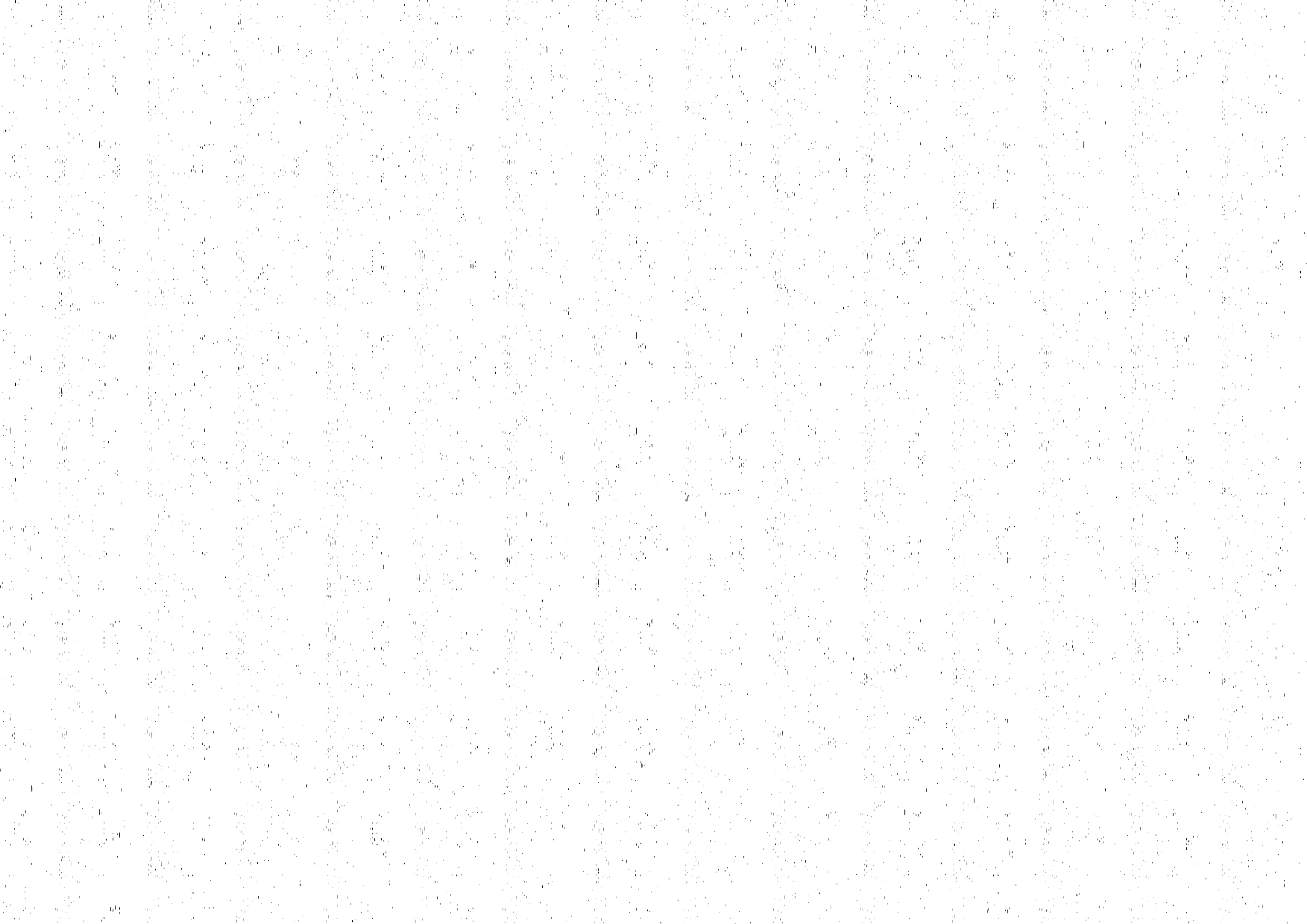
I like to sit with a piece of writing for a long time, absorbing it until it’s in my bones.
Inevitably, the words and paragraphs start to shift around on the page, like a Magic Eye poster revealing its hidden design (which, by the way, is exactly the kind of frustrating/rewarding experience that AI can never know).
Then I can see why certain passages burn like a house on fire, while others scatter to the winds or sink like dead weight.
I can see the missing pieces an argument needs in order to create the impact it’s striving for, and when to move a paragraph from the end of a piece to the beginning.
I can sift through the writer’s weird little tics and unconscious habits, and teach them how to rein those in without sacrificing their signature style.
But fixing the writing is only half of my editorial process.
The rest of it, the part few developmental editors and zero copywriting coaches are doing, is about bringing the writer into that process.
Because manhandling your writing is fun and all, but when you understand what I’m doing and why, you start to develop a discerning eye.
You learn how to hear your own voice.
Most editors (and coaches) treat the writer like a client.
I treat you like the co-creator you are.
Mostly, this process comes to me as naturally as breathing.
And that’s why, for a long time, I assumed that anyone who wrote for a living must also be a pretty decent editor—and vice versa. These two skillsets have always coexisted in the mosh pit of my mind, inseparable and intertwined, inexorably linked.
But then I watched as more than a few of my copywriter friends experimented with offering an editing service, and quickly ended up hating life.
I went to writing conferences full of “real” authors and publishers, and sat there bemused as they wrung their hands and exchanged much wrong advice about how to build their platforms and show up on social media.
I worked with coaches, designers, and course creators who, despite spending tens of thousands of dollars on copywriters and DIY copywriting courses, had little to no confidence in their own writing ability and still didn’t feel like their point (or their voice) was coming across.
To me, the disconnect is obvious:
The publishing industry poopoos copywriters, but they need the skills a good copywriter learns on their first day: brevity, punch, hooks, getting a complex point across with clarity.
The marketing industry poopoos craft, but without craft, copywriting is a soulless, formulaic extraction robot that feels like shit to write and to read. (Also, it doesn’t work anymore anyway. See also: AI slop.)
The internet is chock full of copywriters, brand strategists, yearlong content creation communities, and messaging pros. But bringing an editing eye into your marketing content??
Never heard of her.
This is how you get…
a provocative and spicy spiritual counselor who never publishes their interesting, incendiary ideas because their oddness and individuality has been beaten out of them, first by academia and then by the online marketing machine.
an online business manager who loves to write but turns into a wooden weirdo when they try to write about their work, because they’ve only ever been exposed to copywriting courses and have no real experience with craft or the creative process.
a fitness coach who outsources all their content to AI, and even though it “sounds fine” to them, their conversions and open rates start to dwindle. Their reader feels alienated and taken for granted—you can’t even bother to write your own words for me?—and they’ll move on to someone who makes them feel seen.
Even though the specifics change from person to person, one universal truth remains constant:
These siloed branches of writing—the best-selling novel and the weekly newsletter; the highbrow literary fiction and the voice-y Instagram caption; the memoir and the about page—they need each other. They are suffering for being kept apart; they need to start commingling and sharing what they know.
Because writing is writing, no matter where it lives or what you need it to do.
And writing is a form of creative expression.
It’s art, even if you’ve never seen it that way.
I used to be a copywriter, but I had too many ethics

I started my career as a full-time copywriter, immersed in the bro-y hellhole that was online marketing circa 2015. Every training and book and certification I was exposed to was led by a smarmy white guy in a black t-shirt who spoke about emotional connection like it was some kind of mind-blowing innovation, a key to unlock the ATM that was your (human) audience.
Some explicitly linked copywriting tactics to the tricks a pick-up-artist uses to isolate and manipulate women—this would have been 2015’s equivalent of the manosphere—but no matter who was wielding it, the entire methodology could be traced back to these misogynist foundations.
As a bright-eyed newbie with sharp writerly instincts, I found all this to be jarring and depressing. Most of what I learned about how to write copy felt like what I would have done anyway (but better), and the more persuasive/neurolinguistic programming bits just felt gross.
The bit that really stuck in my craw, though, was how terrible some of this writing sounded to my ear.
Even back then, I treated my chosen profession like an artist would treat their craft: I was hyper protective of my process, continually advocating for fewer meetings and more deep work, constantly, futilely pushing for longer, slower timelines, and adamant about one thing above all:
The writing had to be worth reading. It had to be good.
Of all the bullshit I had to swallow during this phase of my career, that was one commitment I never wavered on.
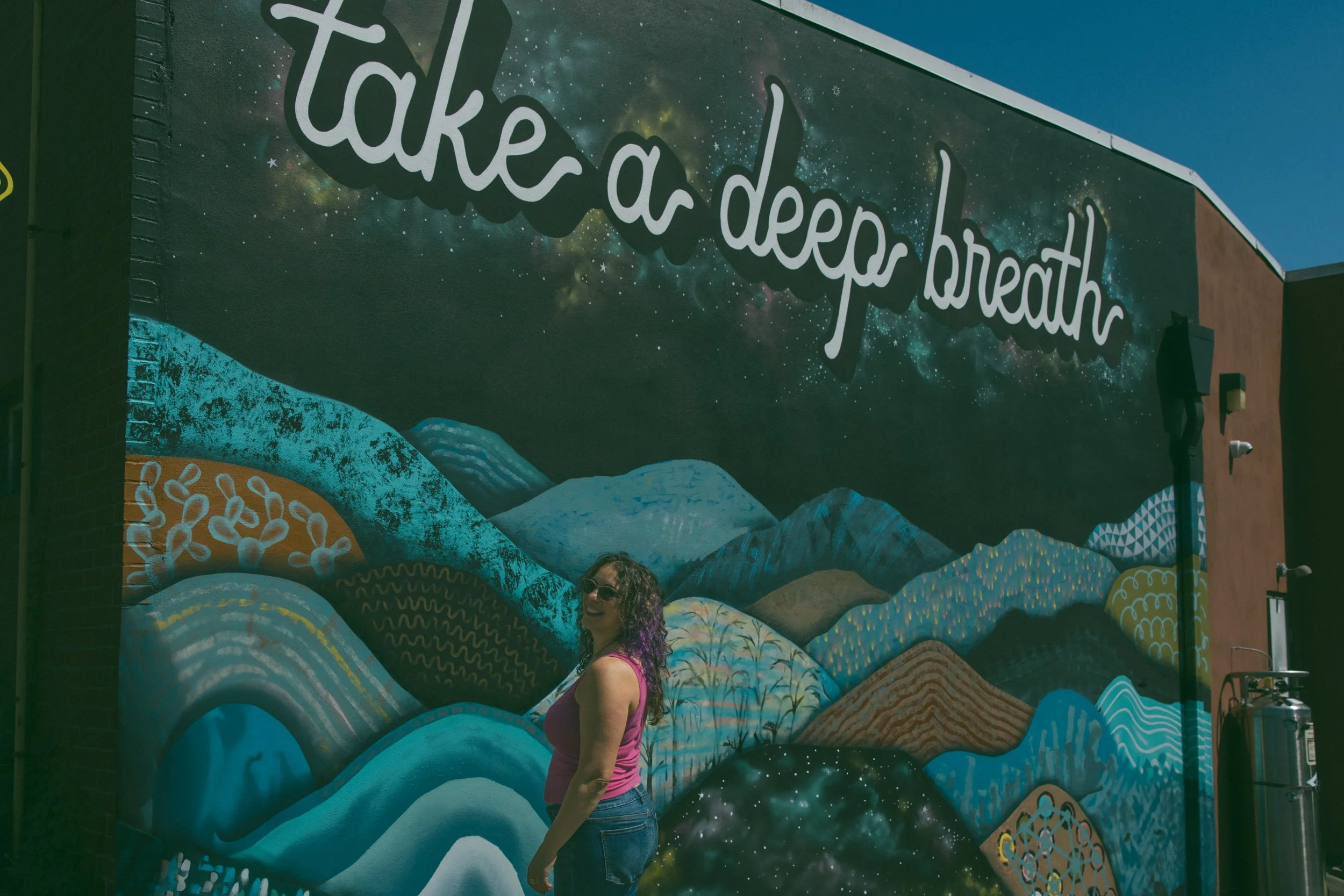
I’ve always felt that my primary responsibility is to the reader.
Not my client, but your clients. Not the whims and greedy philosophies of whatever Tony Robbins guru was currently bending my clients’ ears, but the human beings whose eyes would fall upon my words, whose needs and problems and concerns were not knives to be twisted but hot spots needing a salve.
The crazy thing is, in the era of AI slop and disappearing service jobs, now there are all these business owners, writers, and intellectuals out here with their megaphones—preaching the inviolable value of human storytelling. The mystical conversation that is the creative process. The pressing, increasingly urgent need for us to shout our humanity right into the faces of those who would erase it.
Which means—plot twist! My whole “human-first” approach is like… trending.
What a world.
Ready to get to work?
As a writing coach, most of the clients I work with fall into three categories:
the business owner
who only ever learned writing from a copywriting course, and who is now waking up to the realization that AI slop is actually just regurgitated copywriting slop—they don’t want to write slop, but they never learned anything else.

the academic
who is drowning in their workload, cross-eyed from looking at their dissertation for a hundred years, or struggling to express their unique voice and point of view in a fusty institution.

In each of these scenarios, while every client’s needs and practices and reading recommendations are super specific and personalized, the philosophy behind those specifics remains unchanged.
That’s because we live in a society where the creative process—especially writing—has been underappreciated, minimized, taken for granted, and misunderstood.
For decades.
So… what’re we going to do about it?
Well, we’re gonna do what artists do when the mainstream squeezes us out.
We’re going to create anyway. Louder, harder, more.
We’re going to opt out, unsubscribe, find and support one another, and figure out a way to say what we need and want to say.
the author
who has a manuscript drafted but has no idea what to do next, either with the book itself (editorial) or as they wade into the quagmire that is the publishing process (query packets, platform building, submissions)..
Most people think of punk as chaotic, angry, and noisy AF, with studded leather jackets and stiff, spiky mohawks.
And it is those things—but it’s also so much more. Punk is about community and safety for those who exist on the fringes of mainstream society.
Punk is kind and resourceful and creative; it’s DIY; it’s looking out for your fellow weirdos; it’s making the coolest shit you can with whatever you have on hand.
In the 80s and 90s, a punk house was a place—usually an abandoned or underutilized industrial space that was repurposed into a communal living situation—where musicians, artists, dirtbags, and misfits could find a safe place to live and sleep and make their art.
There were no landlords or security deposits; punk houses functioned like true collectives. Residents contributed whatever they could to the household, whether it was day-old bread from a bakery job or booking gigs and planning events.
Some punk houses are still active today, but because of <gestures vaguely> all this, they’re fewer and farther between.
I built Indie Copy Studio as a safe haven for writers of all stripes.
You don’t need a beat-up leather jacket or a vintage record collection; all you need is a voice and sharp pen.

1. Give a Shit About Other People
The biggest mistake writers make is forgetting who their writing is FOR. (We all do this.) If you’re putting your writing out into the world, then it’s not for you; it’s for your reader.
When you can learn to re-center your writing around your reader’s needs and wants, it often clears up many of the issues that make a draft feel like it’s not landing.
2. Stick it to The Man.
One of the hallmarks of AI slop is not the em dash or emojis or any nitpicky word choice; it’s the lack of conviction. AI will flatten everything that’s weird and interesting about your style, making it sound like a piece of cardboard could’ve written it.
It’s too safe, and too general, and that makes it feel impersonal. Your reader needs to feel YOU coming through, or they’ll tune out.
What do YOU think that most people don’t? Why are you writing THIS particular piece at this particular time? What do you believe and value?
If you’ve ever backed off from making a flaming-hot point because you were afraid of rocking the boat or offending people… congratulations, you have a point of view! Get ready for me to pester you until you fucking say that shit.

3. Get Loud
Nothing about punk is bland. Everything about it, from the music to the ‘fits, is meant to stir up a reaction.
As a writer, “having a voice” doesn’t mean you have to be bubbly, funny, edgy, extroverted, or in-your-face.
But it does mean figuring out how not to be bland.
My friend Brooke is a coach for women in midlife, and her voice is like a soothing cup of Moroccan mint tea. It’s cool and quiet, with an intriguing, introspective quality that’s hard to put your finger on.
But there’s no way you’d ever mistake her for anyone else.
Your writing voice is a unique mixture of things like cadence, rhythm, stylistic choices (like how I use ALL CAPS sometimes instead of italics), word choice, cultural background, who you hang around with, what you read, and more.
It can evolve over time; your voice at 60 will probably sound different than it does at 30. It can also shift and morph depending on what you’re into.
The writers I work with are often shy about their voice to say the least. Even more of them don’t have any idea what their voice even is or where to find it.
Many women (especially Black women) have been told to “tone down” their voice at some point, and it only takes a few shitty scholastic experiences to stifle one’s voice for a lifetime.
Your voice is something you already have, even if you don’t know it or understand how to describe it. It’s also something you can hone over time.
The only way to figure it out is to get curious, write a lot, and keep experimenting. That’s one of my favorite things to explore with my clients.
4. Bang on Your Instruments (the way only *you* can)
Lemme tell you something: Writing isn’t really as mysterious—or serious—as writers make it out to be.
Craft elements like suspense, specificity, showing vs. telling, rhythm, metaphor, and how to write a hook are all totally teachable and learnable.
These are your instruments.
Think of how a Radiohead song always sounds like a Radiohead song, even if you’ve never heard it before—that’s because of Jonny Greenwood’s guitar style. Slash, on the other hand, can bang out a solo that sounds nothing like Radiohead, even though the guitar is still a guitar.
The drum kit, the keyboard, the cowbell, the guitar—they’re all just objects. They’re tools.
Once you understand how the tools work (and work together), you can mess around and combine them in whatever way you want. That’s how you start to develop and deepen your own personal style.
Of course, I do have an entire program devoted to craft, specifically for business owners. It’s called… wait for it… The Craft.
5. Inspire Action
This final piece of the Punkhouse Writing Philosophy is about what happens after a piece is out there.
If you have a signup page for your newsletter, are people actually signing up for that newsletter?
If you send a query packet for your manuscript, are agents actually responding to it?
If you submit a draft of your dissertation, are your advisors happy (or as happy as they get)?
Of all the people who open a sales email, how many of them are clicking through to your offer?
In copywriting, we call this “conversion”—as in, converting a reader into a paying customer. But it basically just refers to how well the writing performed its job.
And every piece of writing has a job, whether it’s a research paper or an author bio or an email subject line or this line you’re reading right now. Turning a page in that smutty novel you took to the beach? That’s conversion, too.
Non-business owners can get a little squirrelly when we talk about this; so can business owners who have rejected the bro-marketing tactics of yore.
But even the anti-capitalist, anti-establishment punks were engaging in conversion. Their words and actions inspired others to make more art, or take up a cause, or push back against some mainstream bullshit.
You often don’t know how a message will land until your readers start interacting with it. And that means you actually have to publish your writing, AND check back to see how it was received.
If we discover that your writing isn’t doing its job, or not doing it as well as we want it to, this is good news! Something about what you’re saying and the way you’re saying it is failing to connect with what your reader cares about in that moment.
Is that a bummer? Yep! It sure is.
But at least we know where to look now.
Welcome to The Indie Copy Studio Punk House
There is an invisible thread connecting you with your creative process.
But because of all the mandatory creation you have to do for your work, and to keep up with the demands of online content, that thread has grown brittle and frayed. It’s dying on the vine, if we’re going to mix metaphors.
The Indie Copy Studio Punk House is a place where that thread gets repaired.
A place that is safe and irreverent and well-stocked, where you’re free to create what you want, how you want, and nobody cares that you didn’t finish that thing you said you’d work on last week.
A place where the worn-out thread between you and your creative process can grow into a luminescent cable that courses with life.
Are you ready to feel more like yourself whenever you’re creating anything?
C’mon. I’ll give you a tour.
Three ways to work with me…
-

Editing Services
Structural edits, proofreading, and developmental edits for academic papers, fiction manuscripts, emails, website copy, and more. I can also help with launch strategy!
I've had my hands on everything from a 500-page, Infinite-Jest-inspired manuscript to a doctoral dissertation on anger at God to a $54k Black Friday campaign for luxury candles that I conceived of, wrote, and built all by myself.
-

1-1 Writing Coaching
Writing can be hard, lonely, and stubbornly slow. And when you come up against a sticking point, there’s no feedback loop—no one to offer a gut-check, a word of encouragement, or a gentle nudge to close out that “research” tab and just get back to the page.
What’s missing is a human exchange of ideas. This has always been part the work I do as a copywriter, messaging strategist, academic editor, and developmental editor—now I’m offering it as a 1-1 service all its own.
-
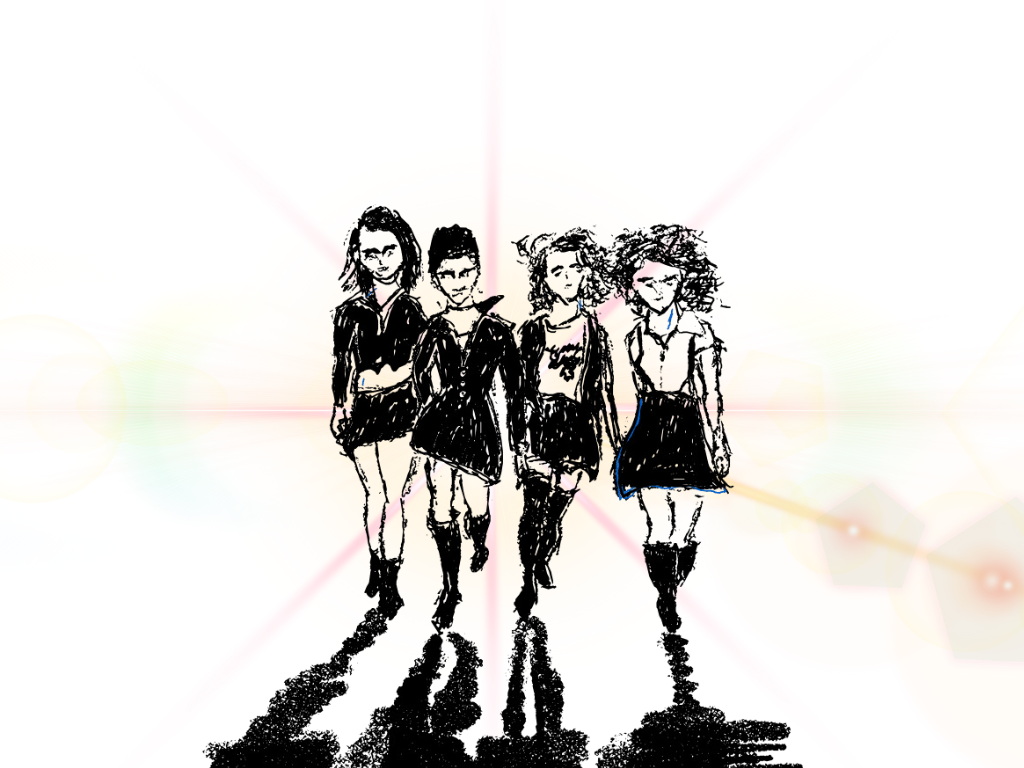
The Craft
A 10-week immersive writing workshop for authors, academics, and business owners who want to expand their professional writing skills and deepen their relationship with the creative process.
The Craft will help you master the timeless techniques behind writing that connects, inspires, makes the reader feel something, and keeps them wanting more.

Get The Mixtape
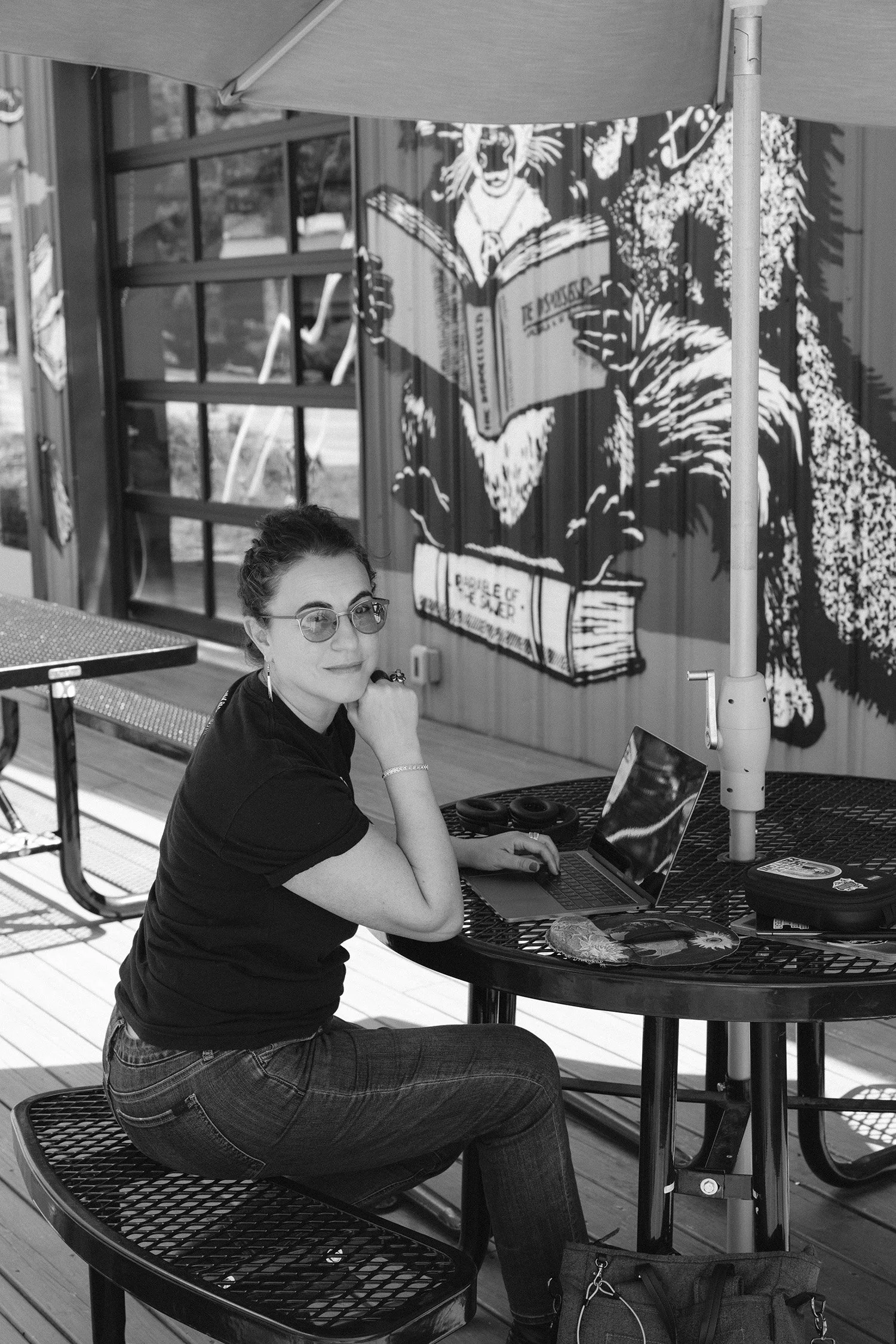
The Coffee Break Newsletter
“Cassingle” sized pieces on writing craft and process, along with cultural observations from a wizened GenXer with over a decade of experience in the writing & marketing trenches.
The B-Sides
Recent blog posts, reading recommendations, and cool things worth paying attention to.
Demo Tracks
Special promotional periods that focus on a particular way to work with me. You’ll be able to opt out of these when the time comes.
Sign up below: